
Dyslexia Tutor vs. Dyslexia Therapist: What Does My Child Actually Need?
If your child is struggling to read, you've probably started searching for a dyslexia tutor, reading tutor, reading specialist, or dyslexia therapist—only to discover that these terms don't all mean the same thing.
So what should you actually be looking for?
The answer depends on why your child is struggling and what kind of instruction will actually help.
At Moving Mountains Reading & Dyslexia Services, we specialize in structured literacy and dyslexia intervention for learners who need more than traditional tutoring can offer. Below, we break down the terminology so you can make an informed decision for your child—no matter which term brought you here.
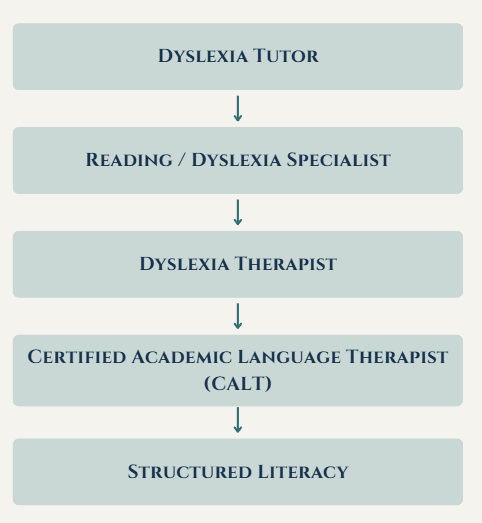
These terms aren't a strict hierarchy where one is always "better" than the next. They describe different roles, different levels of training, and different approaches to helping a child read. Understanding the differences will help you ask the right questions before choosing a provider.
What Is a Dyslexia Tutor?
A dyslexia tutor typically provides extra reading practice, homework support, or targeted instruction for a student who's having difficulty with reading.
This kind of support can be genuinely helpful for some students. But it's worth knowing: not everyone who calls themselves a dyslexia tutor has specialized training in dyslexia intervention. The title alone doesn't guarantee a particular method, credential, or level of expertise.
If you're evaluating tutoring support for your child, it's worth asking directly what training the provider has and what reading approach they use.
What Is a Dyslexia (or Reading) Specialist?
"Dyslexia specialist" is a broad term. It can describe a range of professionals with specialized knowledge of dyslexia and reading difficulties—but because the title itself isn't standardized, it doesn't tell you much on its own.
Rather than relying on the title, look at the provider's specific credentials, certifications, and instructional approach.
At Moving Mountains, our team includes professionals with specialized training and credentials in dyslexia, structured literacy, academic language therapy, reading, and speech-language services.
What Is a Dyslexia Therapist?
A dyslexia therapist provides specialized intervention for individuals with dyslexia and other reading difficulties. This kind of support typically goes well beyond helping a student complete homework or practice reading—it's targeted, structured, and built around how struggling readers actually learn.
Intervention may address:
Phonological awareness
Decoding
Spelling
Syllable patterns
Morphology
Fluency
Other foundational literacy skills
A qualified provider should be able to explain what skills your child needs to work on, why those skills matter, and how progress will be measured over time.
What Is a CALT?
You may also see the letters CALT after a provider's name. CALT stands for Certified Academic Language Therapist.
CALTs have specialized, rigorous training in providing structured, language-based intervention for individuals with dyslexia and related language-based learning difficulties. This certification represents one of the higher levels of training available in the field of dyslexia intervention.
What Is Structured Literacy?
Structured literacy is an explicit, systematic approach to teaching reading and spelling. Instruction is carefully sequenced and builds on previously taught skills, rather than assuming a child will simply pick up reading patterns through exposure and practice alone.
A structured literacy session might include:
Phonemic awareness
Sound-symbol relationships
Decoding
Syllable types
Spelling
Morphology
Reading fluency
Vocabulary and language
Comprehension
For a child who has been told to "just read more" or "just practice," structured literacy can offer a very different—and often far more effective—learning experience.
So, What Should You Actually Look For?
If your child is struggling to read, don't focus only on the job title on a website or business card. Ask these questions instead:
Does the provider have specialized training in dyslexia?
What instructional approach do they use?
Is instruction explicit and systematic?
Can they explain what skills they're targeting, and why?
How do they measure progress?
What credentials or certifications do they hold?
Do they have experience working with children with needs similar to your child's?
These questions matter more than any single title—and a provider who can answer them clearly is one worth taking seriously.
Not Sure What Your Child Needs? We Can Help.
You don't have to figure out the terminology before asking for help.
Whether you found us searching for a dyslexia tutor, reading specialist, dyslexia therapist, or Orton-Gillingham provider, our team is happy to help you understand your child's options and find the right level of support.
Frequently Asked Questions
-
Not necessarily. The terms can refer to different levels of training and different types of services. Rather than relying on a title alone, parents should look at a provider's credentials, experience, and instructional approach.
-
A reading tutor may provide general academic or reading support, while a dyslexia therapist typically provides specialized intervention designed to address the underlying literacy skills that can be difficult for individuals with dyslexia.
-
CALT stands for Certified Academic Language Therapist. CALTs receive specialized training to provide structured, language-based literacy intervention for individuals with dyslexia and related learning differences.
-
Structured literacy is an explicit, systematic approach to teaching reading and spelling. It introduces skills in a planned sequence and provides repeated practice and review, rather than relying on incidental exposure.
-
That depends on your child's individual needs. If your child has persistent difficulty with decoding, spelling, phonological awareness, reading fluency, or other foundational literacy skills, specialized dyslexia intervention may be more appropriate than general tutoring.
-
Moving Mountains provides structured literacy and dyslexia intervention delivered by trained specialists, including Certified Academic Language Therapists—not general academic tutoring. If you've been searching for a dyslexia tutor, our team can help you understand how our approach differs and which option is the right fit for your child.